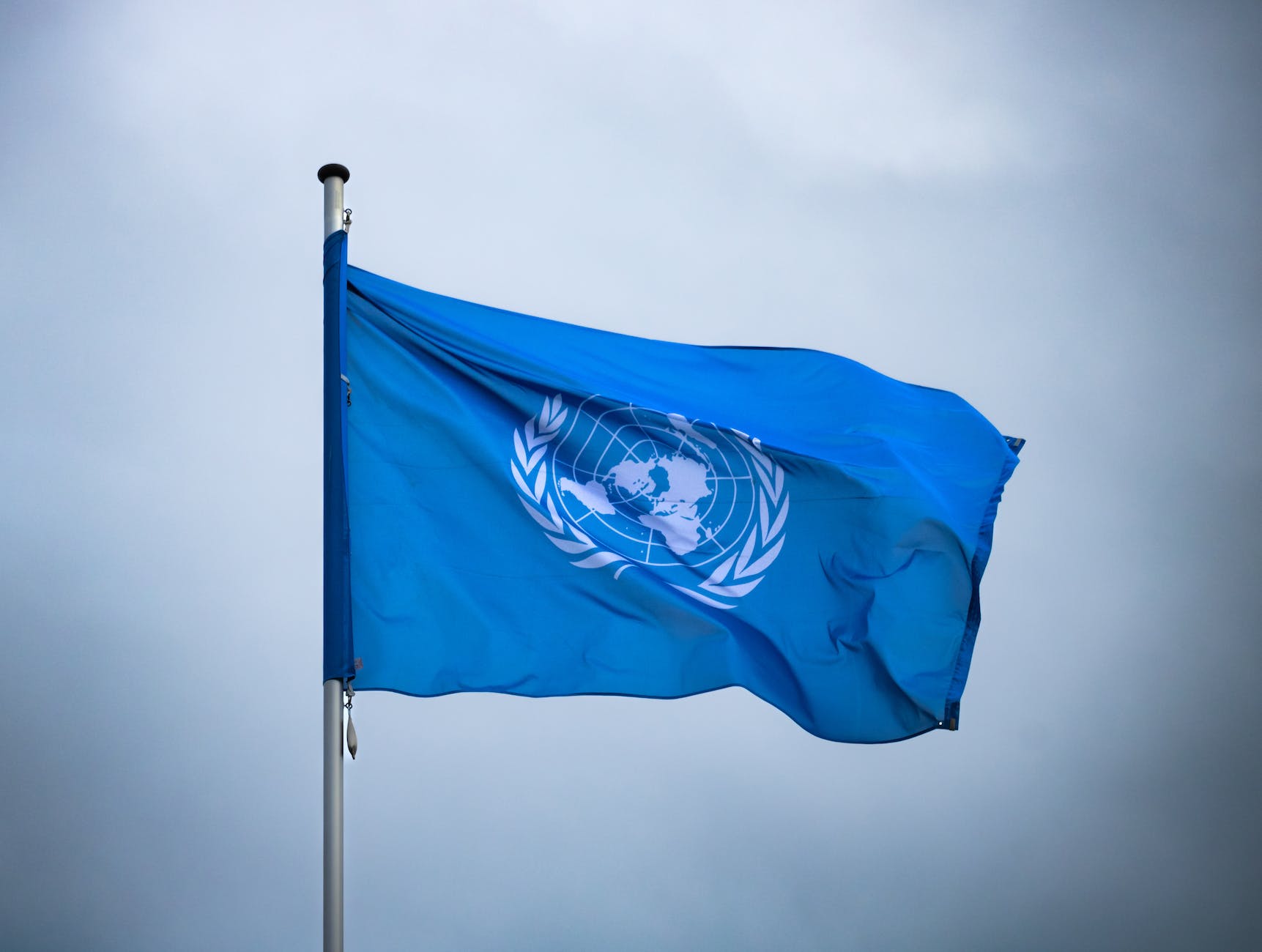
On 29 March 2023, the United Nations General Assembly approved the request for an advisory opinion from the International Court of Justice (“ICJ”), to provide clarity on the climate change obligations of States.
An advisory opinion from the ICJ is non-binding, however it has the potential to develop the international law around human rights, the environment and climate change. The background to this resolution can be traced back to 2019, when University of South Pacific law students began a campaign to urge their leaders to use the legal route and take the climate change issues facing Pacific nations, to the ICJ. The Pacific Islands Students Fighting Climate Change(“PISFCC”) is a youth-led movement that has created alliances with various civil-society and human rights organisations which supported the Republic of Vanuatu in initiating this resolution. This led to a coalition of 133 countries calling for the advisory opinion. The government of Vanuatu was supported by Blue Ocean Law, the only international human rights law firm in the Pacific.
The resolution records the vulnerability to the adverse impacts of climate change, already being experienced by least developed countries and small island developing States. This includes displacement of people due to drought, rising sea levels, land degradation and coastal erosion. Vanuatu, like many other small island developing States, is at risk of being uninhabitable by the middle of the century, and has already experienced devastating cyclones in recent years.
The resolution requests guidance on the obligations of States to protect the climate system and environment from emissions of greenhouse gases. Advice is also requested on the legal consequences for States that have through their actions or failure to act, caused harm to other States that are particularly affected by climate change, and to people of present and future generations. The full text of the resolution can be accessed here.
Read more on the Vanuatu initiative here and the PISFCC here.
 Sustainable Capabilities