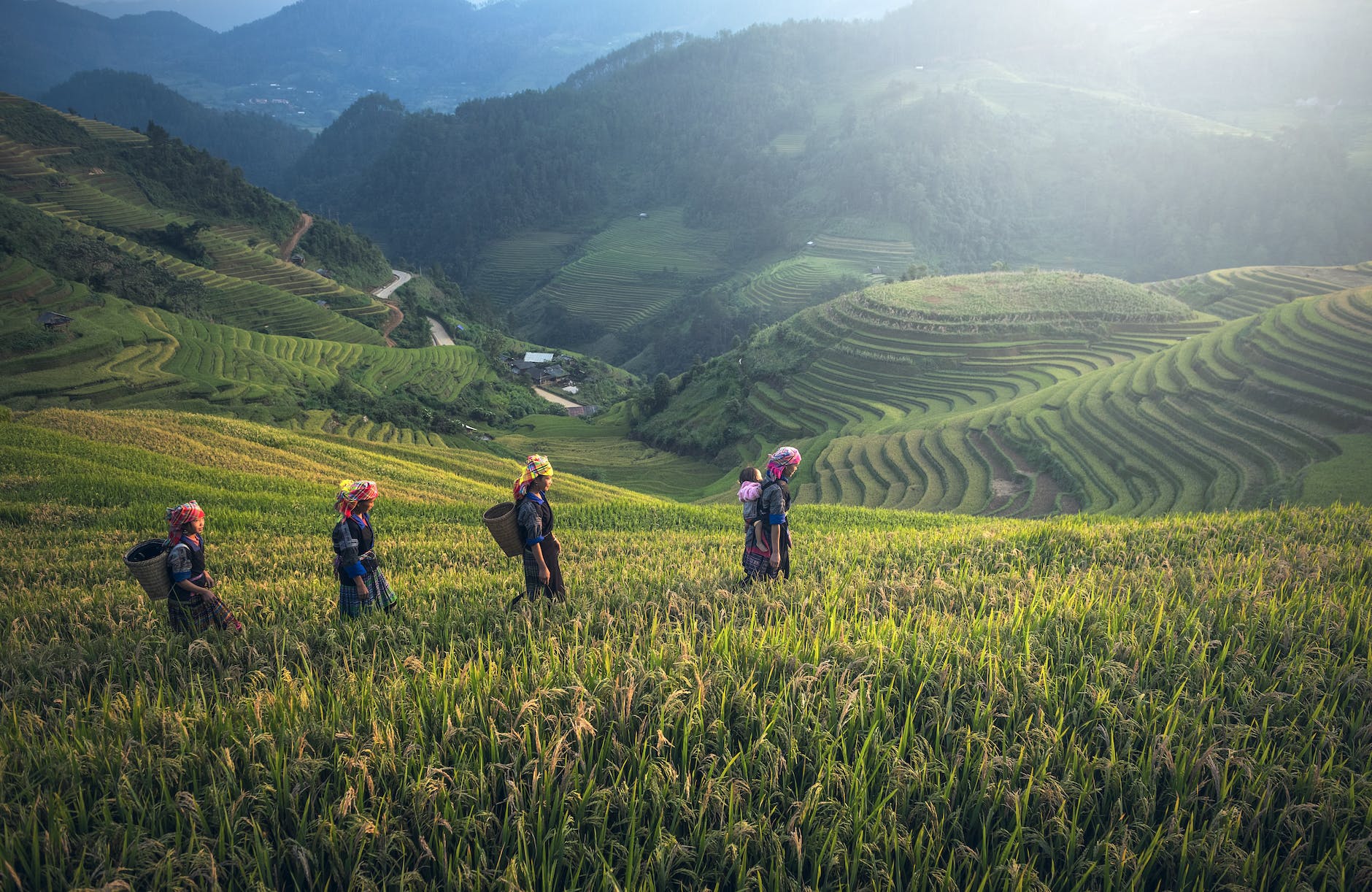
The Food and Agriculture Organization of the United Nations (FAO) released a new report today, The status of women in agrifood systems. This report analyses the inequalities experienced by women in agrifood systems, and explains how policies and initiatives that promote gender equality can lead to positive global impacts. Below is a brief summary of the report which can be accessed on the FAO website.
Significant roles but unequal pay
In sub-Saharan Africa the agrifood system employs 66% of women increasing to 71% in southern Asia, while globally the sector employs 36% of women compared to 38% of men as at 2019. In all regions women are more food insecure than men, and women in poorer countries are also engaging in their work amidst changing climate conditions and conflicts. The report finds that women earn on average 18,4% less than men and highlights that if half of small-scale producers received the benefits of women empowerment initiatives, it would increase the resilience of 235 million people.
Improvements needed
The report highlights that voluntary standards, audits and certification schemes do not necessarily have a major impact on improving the unequal circumstances of women, and notes that further studies are required to understand how these mechanisms can support women’s empowerment. Amongst the report recommendations are improvements to access to education, training, land and resources, which are linked to the intersectional issues that create unequal conditions. Legal programmes that facilitate community training and access to justice are also noted as measures that can support women’s land rights.
The FAO website has an interactive story which goes through the key findings, and for students researching gender, human rights, food systems and global development, comprehensive references can be accessed through the report.
In the recommended readings for this week, the examples of resilience through agroecology farming methods demonstrates the alternatives that can be used to promote food security and women empowerment at grassroots level.
 Sustainable Capabilities